
CPR Certification Expiration: When to Renew and How
Did you know that CPR certification renewal is required every two years for most providers? Whether you need CPR certification for work, volunteer positions, or personal preparedness, keeping your certification current is crucial. An expired certification can mean the difference between being able to help in an emergency and standing on the sidelines—or worse, facing professional consequences.
CPR certification renewal requirements vary depending on which organization issued your original certification. The two most common providers—the American Heart Association (AHA) and the American Red Cross—have different recertification processes, timelines, and options. Understanding these differences will help you stay certified without unnecessary stress or last-minute scrambling.
[Download ExpireBuddy] to track your CPR certification expiration date and receive reminders before it’s time to recertify.
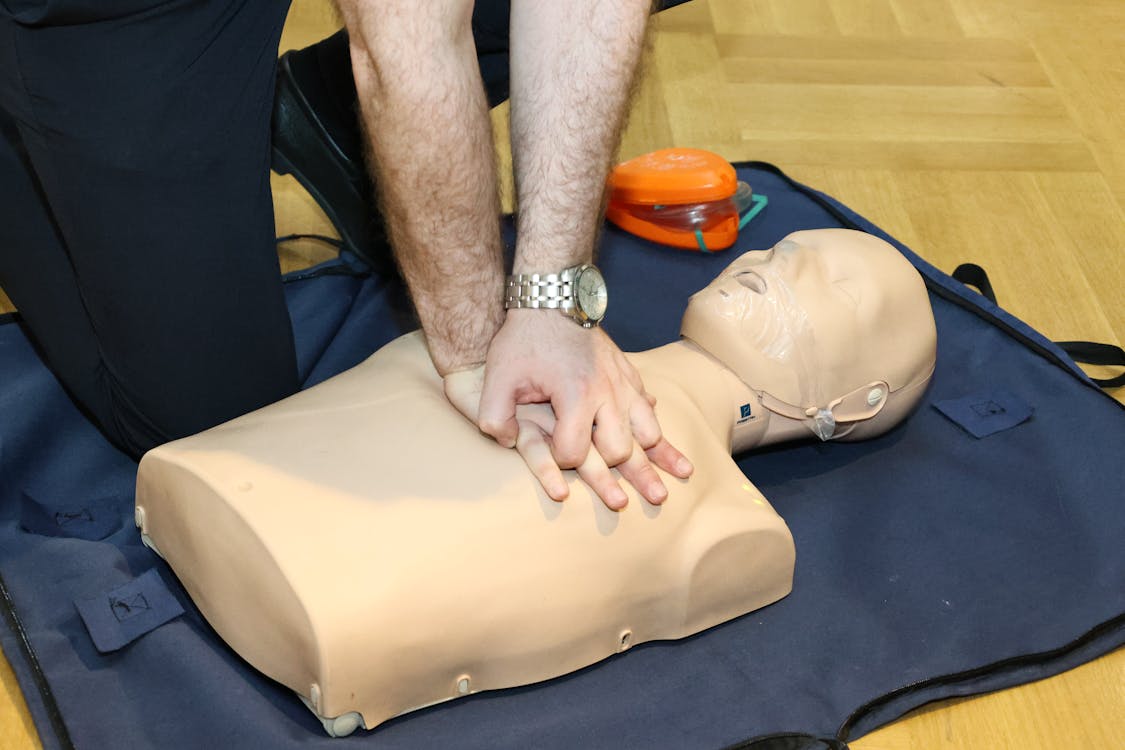
How Long Does CPR Certification Last?
Most CPR certifications expire two years from the date of issue. This applies to both American Heart Association and American Red Cross certifications. However, some specialized certifications or workplace-specific training may have different timelines.
Why two years? Research shows that CPR skills and knowledge begin to degrade after about 12-24 months without practice. Regular recertification ensures that certified individuals maintain the competency needed to perform effective CPR during real emergencies.
American Heart Association (AHA) Certification Period
AHA CPR certifications are valid for exactly two years from your course completion date. This includes:
- Basic Life Support (BLS) for healthcare providers
- Heartsaver CPR AED for the general public
- Advanced Cardiovascular Life Support (ACLS)
- Pediatric Advanced Life Support (PALS)
The AHA does not offer grace periods. If your certification expires, you must complete a full course rather than a renewal course.
American Red Cross Certification Period
Red Cross CPR certifications also last two years. However, the Red Cross offers slightly more flexibility with their recertification timeline. You can take a renewal course up to 30 days before or after your expiration date and still maintain continuous certification.
Additionally, the Red Cross typically allows a short grace period (usually 30 days) where you can still take a renewal course rather than starting over with a full certification class.
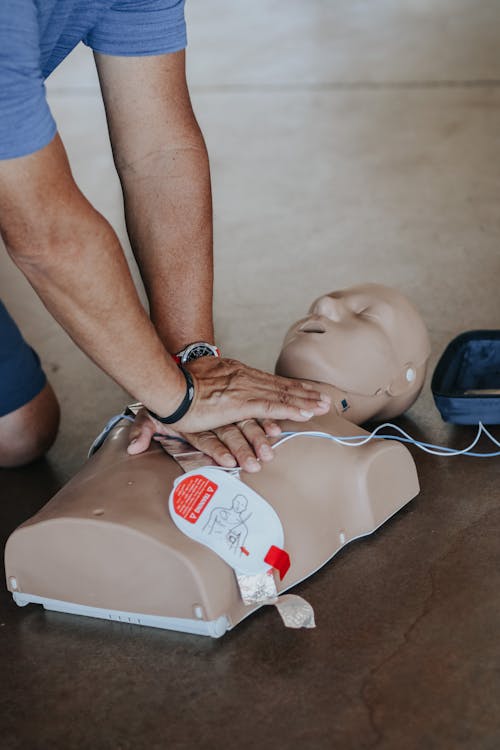
CPR Certification Renewal vs. Full Recertification
Understanding the difference between renewal courses and full certification courses can save you time and money. Here’s what you need to know about each option.
Renewal Courses (Also Called Recertification)
If your certification hasn’t expired yet (or is within the grace period), you’re eligible for a renewal course. These courses are:
- Shorter—typically 2-4 hours vs. 4-6 hours for full courses
- Less expensive—usually $40-$60 vs. $70-$100 for full courses
- Review-focused—assumes you have baseline knowledge and skills
- Skills-assessment based—more hands-on practice, less lecture
Renewal courses focus on refreshing your existing skills, updating you on any guideline changes, and ensuring you can still perform CPR effectively. You’ll practice on mannequins and demonstrate competency to pass.
Full Certification Courses
If your certification has fully expired beyond any grace period, you’ll need to take a full certification course. These courses:
- Cover all material from the beginning
- Take longer to complete
- Cost more than renewal courses
- Result in a brand new 2-year certification
Pro tip: Set a reminder 60 days before your expiration date. That way you’ll have time to schedule a renewal course even if your first-choice dates are full.
[Download ExpireBuddy] and never worry about missing your CPR recertification deadline again.
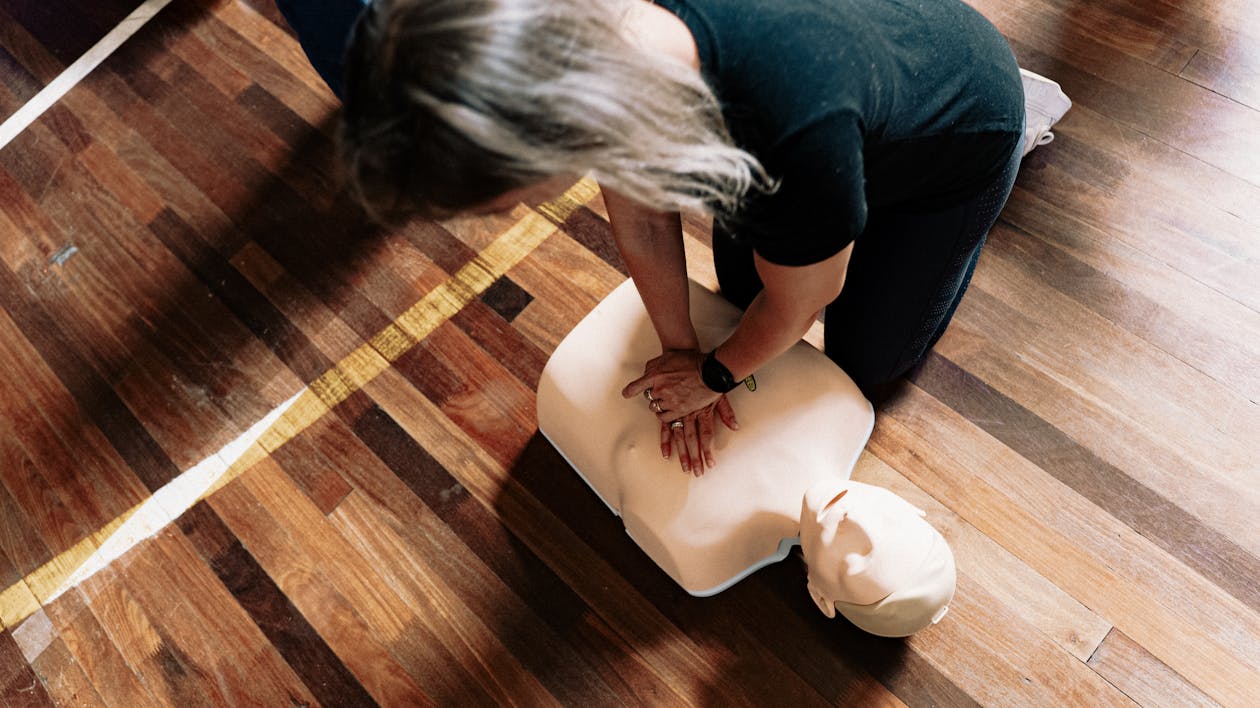
Online CPR Certification Renewal Options
Can you renew your CPR certification online? The answer depends on your certification type and your employer’s requirements.
What’s Available Online
Both the American Heart Association and American Red Cross now offer blended learning options that combine:
- Online cognitive learning—complete at your own pace, covering knowledge and theory
- In-person skills testing—shorter session (1-2 hours) to demonstrate hands-on skills
Some organizations offer fully online CPR courses that don’t require in-person skills testing. However, these certifications are generally not accepted for healthcare workers or jobs that specifically require hands-on skills verification.
Who Can Use Online-Only CPR Certification
Fully online CPR certifications may work for:
- Teachers or childcare workers (check state requirements)
- Personal trainers and fitness instructors
- Camp counselors and youth program staff
- Anyone seeking CPR knowledge for personal preparedness
However, healthcare providers almost always need in-person skills verification. This includes nurses, doctors, EMTs, paramedics, and most allied health professionals.
Advantages of Blended Learning
Blended learning (online cognitive + in-person skills) offers the best of both worlds:
- Complete coursework on your schedule
- Spend less time in the classroom
- Still receive hands-on practice and verification
- Meets most workplace requirements
The hands-on component typically costs less than a full in-person class since you’ve already completed the cognitive portion online.

Workplace CPR Certification Requirements
Many professions require current CPR certification. Understanding your workplace requirements ensures you maintain the correct certification level.
Healthcare Professions
Healthcare workers typically need BLS (Basic Life Support) certification from the American Heart Association. This includes:
- Registered nurses and licensed practical nurses
- Physicians and physician assistants
- Dentists and dental hygienists
- Respiratory therapists
- Paramedics and EMTs
- Physical and occupational therapists
Some specialized positions may also require ACLS or PALS certification in addition to BLS.
Education and Childcare
Teachers and childcare providers often need Heartsaver or Pediatric CPR certification. Requirements vary by state and school district. Many positions also require:
- Infant and child CPR (not just adult)
- AED training
- First aid certification
Fitness and Recreation
Personal trainers, lifeguards, and recreation staff typically need CPR/AED certification. Lifeguards specifically need specialized certifications that include water rescue skills.
What Happens If Your Certification Expires at Work
Letting your CPR certification expire can have serious workplace consequences:
- Suspension from patient care duties (healthcare settings)
- Loss of required credentials for your position
- Inability to work until recertified
- Potential disciplinary action
- Professional liability concerns
Most employers send reminders, but ultimately certification management is your responsibility. Don’t rely solely on your HR department to track this for you.
Professional license renewal follows similar patterns—stay proactive about tracking expiration dates.

CPR Certification Renewal Costs
How much does it cost to renew CPR certification? Prices vary based on several factors.
Typical Cost Ranges
Here’s what you can expect to pay for CPR certification renewal:
- Online-only courses: $20-$40 (not accepted for most healthcare positions)
- Blended learning (online + in-person skills): $40-$65
- In-person renewal courses: $45-$75
- Full certification courses: $70-$120
- ACLS/PALS renewal: $120-$250
Prices vary by location, provider, and organization. Classes in major metropolitan areas tend to cost more than those in smaller cities.
Ways to Save Money on CPR Renewal
Consider these strategies to reduce the cost of renewing your CPR certification:
- Ask if your employer pays for certification—many do, especially in healthcare
- Check community colleges—often cheaper than private training centers
- Look for group discounts—bring colleagues for reduced rates
- Use blended learning—typically less expensive than full in-person courses
- Don’t let it expire—renewal courses cost less than full courses
[Download ExpireBuddy] to track your certification timeline and avoid paying for full recertification when a renewal course would work.
How to Schedule Your CPR Certification Renewal
Ready to renew? Here’s how to find and schedule your recertification course.
Finding AHA Certification Courses
To find American Heart Association CPR courses near you:
- Visit the AHA Training Center Locator at cpr.heart.org
- Enter your zip code and select course type
- Filter by date and distance
- Contact the training center directly to register
Finding Red Cross Certification Courses
To find American Red Cross CPR courses:
- Go to redcross.org
- Click “Take a Class” in the main navigation
- Search by zip code and course type
- Register online directly through the Red Cross website
What to Bring to Your Renewal Course
Make sure you have these items when attending your CPR recertification:
- Current or expired certification card (if requesting renewal course pricing)
- Photo ID
- Course fee payment (check accepted payment methods in advance)
- Comfortable clothing that allows kneeling and movement
If you completed online cognitive training for a blended course, bring proof of completion.
How Long Does the Renewal Course Take?
Plan for these timeframes:
- BLS renewal: 2-3 hours
- Heartsaver renewal: 2-4 hours
- ACLS renewal: 4-6 hours
- PALS renewal: 4-6 hours
- Blended learning skills session: 1-2 hours (after completing online portion)
Most courses require you to arrive on time. Late arrivals may not be admitted, and you’ll forfeit your course fee.
Like nursing license renewal, CPR recertification deadlines are strict—plan ahead to avoid last-minute stress.

Common CPR Certification Renewal Questions
Can I renew my CPR certification before it expires?
Yes! You can typically renew your certification up to 90 days before it expires. The new certification will be dated from the day you complete the course but will extend two years from your original expiration date, so you don’t lose any time.
What if my CPR certification expired years ago?
If your certification has been expired for an extended period, you’ll need to take a full certification course rather than a renewal. However, this isn’t necessarily a bad thing—CPR guidelines are updated every 5 years, so a full course ensures you learn current best practices.
Do I need to keep my old certification card?
Yes, bring your old card to renewal courses. Some training centers require it to verify eligibility for renewal pricing. If there’s any question about your previous certification, having the card provides proof.
Can I renew different types of CPR at the same time?
It depends. If you hold multiple certifications (such as BLS and ACLS), you typically need to take separate renewal courses for each. However, some integrated courses cover multiple levels—ask your training center about options.
What happens if I fail the CPR renewal course?
Most people pass CPR renewal courses without issues. However, if you struggle with the skills test, instructors typically offer additional practice and coaching. In rare cases where someone doesn’t pass, you can usually retake the course (sometimes for an additional fee) or schedule private remediation.
Just like teaching certificate renewal, professional certifications require demonstrated competency—not just attendance.
Stay Current With Your CPR Certification
Maintaining current CPR certification protects both your career and your ability to help in emergencies. Whether you need CPR recertification for work, volunteer positions, or personal preparedness, staying on top of your expiration date is essential.
The key to stress-free CPR certification renewal is planning ahead. Don’t wait until the last minute to discover that classes are full or that your certification has already expired. Set reminders, understand your workplace requirements, and give yourself plenty of time to schedule your renewal course.
CPR knowledge and competency can literally save lives. Regular recertification isn’t just a box to check—it’s an opportunity to refresh critical skills that might be needed in an emergency.
[Download ExpireBuddy] today to track your CPR certification expiration, receive timely reminders, and never miss a renewal deadline. With ExpireBuddy, managing all your important certifications and documents becomes effortless.
Never Miss a Travel Deadline
ExpireBuddy tracks your entire family's travel documents and alerts you when renewals are needed—well before your trip.
- ✓ Check travel eligibility for any destination
- ✓ Track passports for whole family
- ✓ Get alerts before deadlines
- ✓ Works offline while traveling